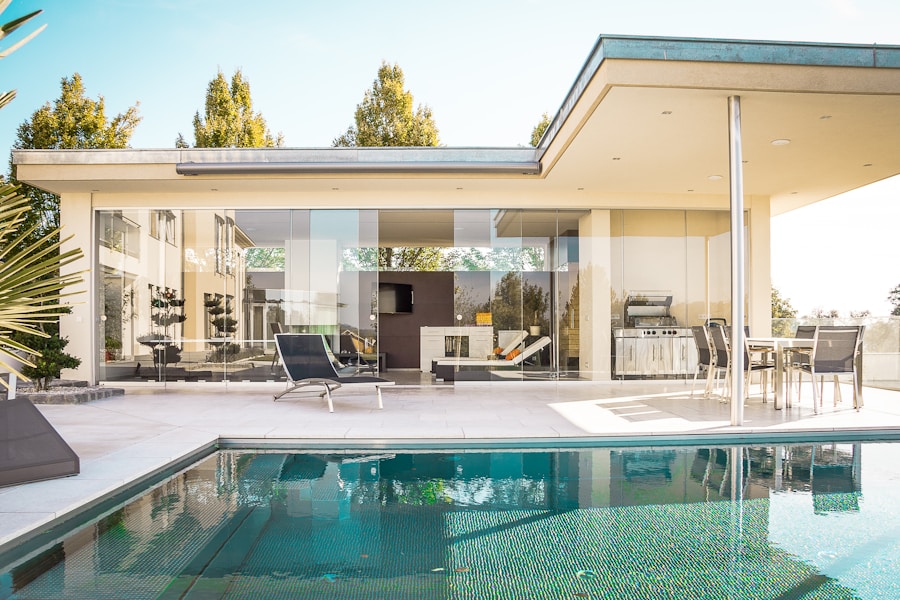
Building a house in Ghana in 2026 is one of the most meaningful investments you can make — but it is also one of the most misunderstood. Ask five people what it costs and you will get five different answers. Some will quote you 2018 prices. Others will throw around USD numbers that only apply to luxury builds in Airport Residential. Neither of those answers will help you plan.
This guide is different. We break down the realistic cost of building every bedroom size — from a 1-bedroom starter home to a 6-bedroom family compound — using current 2026 data. We cover three finish levels (basic, standard, and premium), include USD equivalents for the diaspora, and flag the hidden costs that blow most budgets.
Note on exchange rate: All USD conversions use the approximate Bank of Ghana interbank rate of GHS 11 = $1 USD as of early 2026. Always verify the current rate before finalising your budget.
Why Building Costs Have Changed in 2026
Before we get into the numbers, you need to understand what has happened to the Ghana construction market.
Ghana’s construction cost inflation dropped to 9.7% by September 2025, easing significantly from the peaks of 2022–2023. This is good news — material prices are stabilising. However, they are stabilising at a much higher level than they were five years ago. You cannot build a 2026 home using 2020 prices.
Key 2026 material costs driving your budget:
- Cement (high-grade): GHS 185–240 per bag
- Iron rods (high tensile): GHS 19,000–25,500 per ton
- Sand (15m³ trip): GHS 5,200+ depending on location and haulage
- Skilled labour: Paid by task or by the day; varies by neighbourhood
Construction in Accra and Tema is typically 8–12% more expensive than Kumasi and other regional capitals. Emerging areas like Kasoa, Dodowa, Oyibi, and the Adenta–Oyarifa corridor offer the most cost-efficient land with improving road access.
The Three Finish Levels Explained
Throughout this guide, all cost ranges are given at three levels:
Finish Level
What it Means
Basic
Cement screed floors, louvre windows, basic plumbing, plain paint. Functional and liveable.
Standard
Ceramic/porcelain tiles, aluminium windows, fitted kitchen, decent bathroom fixtures, security door.
Premium
Granite/marble finishes, hardwood doors, smart electrical, modern kitchen, high-spec bathrooms, external landscaping.
Cost of Building a 1-Bedroom House in Ghana (2026)
A 1-bedroom house in Ghana — often called a chamber and hall with kitchen — is the most common entry-level build. It typically covers 40–65 square metres depending on design.
Finish Level
GHS Range
USD Equivalent
Basic
GHS 120,000 – 180,000
~$10,900 – $16,400
Standard
GHS 180,000 – 280,000
~$16,400 – $25,500
Premium
GHS 280,000 – 450,000
~$25,500 – $40,900
Who builds a 1-bedroom?
Young professionals starting their first self-build, families building a starter unit while they save for expansion, and investors building affordable rental units in high-demand areas like Kasoa, Madina, and Tema Community 25.
Key cost drivers at this size:
- Foundation and substructure is the biggest proportional cost at small sizes — you pay almost the same foundation cost whether you build 1 or 2 bedrooms, so adding a bedroom at this stage is more efficient than it seems
- Roofing costs are high relative to total build size
- Land preparation (GHS 25,000+) is a significant additional line item
Cost of Building a 2-Bedroom House in Ghana (2026)
The 2-bedroom house is one of the most popular builds in Ghana — practical for a growing family, rentable, and achievable in phases. A standard 2-bedroom typically covers 70–100 square metres.
Finish Level
GHS Range
USD Equivalent
Basic
GHS 280,000 – 380,000
~$25,500 – $34,500
Standard
GHS 380,000 – 550,000
~$34,500 – $50,000
Premium
GHS 550,000 – 850,000
~$50,000 – $77,300
Known breakdown for a standard 2-bedroom (sourced from quantity surveyor estimates):
- Land preparation: ~GHS 25,000
- Foundation: ~GHS 160,000
- Walls and columns: ~GHS 130,000
- Roofing: ~GHS 75,000
- Electrical and plumbing: ~GHS 60,000
- Windows, doors, finishing: ~GHS 90,000
- Supervision and contingency: ~GHS 60,000
- Total (standard finish): ~GHS 600,000
Practical note: GHS 300,000 can realistically complete a small 2-bedroom to structural level (walls up, roof on, no finishing). Many Ghanaians build to this stage first, move in, and complete finishing over time.
Cost of Building a 3-Bedroom House in Ghana (2026)
The 3-bedroom is the most widely built family home in Ghana. It is the benchmark size that most budgets, calculators, and quantity surveyor quotes are based on. A typical 3-bedroom covers 110–160 square metres.
Finish Level
GHS Range
USD Equivalent
Basic
GHS 400,000 – 600,000
~$36,400 – $54,500
Standard
GHS 600,000 – 900,000
~$54,500 – $81,800
Premium
GHS 900,000 – 1,500,000
~$81,800 – $136,400
A structured quantity surveyor estimate for a 138 sq metre 3-bedroom single-storey house in Accra puts the construction and finishing cost at approximately GHS 314,814 at basic-to-standard finish — though more recent 2026 data from multiple sources puts the realistic standard figure closer to GHS 650,000–1,200,000 accounting for current material prices and labour.
The gap reflects three things: inflation since 2023, higher-quality finishing expectations, and the true cost of professional oversight.
For diaspora buyers specifically: USD $55,000–$100,000 is a realistic planning figure for a well-finished 3-bedroom in an emerging Accra area. East Legon will cost significantly more.
Cost of Building a 4-Bedroom House in Ghana (2026)
A 4-bedroom home is the aspirational family house — often built with a master en suite, a guest room, and space for extended family visits. Typical floor area: 160–220 square metres.
Finish Level
GHS Range
USD Equivalent
Basic
GHS 600,000 – 900,000
~$54,500 – $81,800
Standard
GHS 900,000 – 1,400,000
~$81,800 – $127,300
Premium
GHS 1,400,000 – 2,500,000
~$127,300 – $227,300
At this size, structural complexity increases significantly. You are now looking at:
- More columns and beams
- Longer roofline with more materials
- Two or more bathrooms and toilets
- Separate kitchen, dining, and living areas
- A proper verandah or porch in most Ghanaian designs
Location impact at 4-bedroom scale:
- Kasoa or Oyibi (emerging areas): Standard finish ~GHS 900,000–1,100,000
- Tema or Spintex: Standard finish ~GHS 1,100,000–1,400,000
- East Legon or Trasacco area: Premium finish can reach GHS 2,500,000+
Cost of Building a 5-Bedroom House in Ghana (2026)
A 5-bedroom house moves into the territory of a substantial family compound or an investment property. Many are built as guest houses, executive rentals, or multi-generational family homes. Typical floor area: 220–320 square metres.
Finish Level
GHS Range
USD Equivalent
Basic
GHS 900,000 – 1,300,000
~$81,800 – $118,200
Standard
GHS 1,300,000 – 2,200,000
~$118,200 – $200,000
Premium
GHS 2,200,000 – 4,000,000
~$200,000 – $363,600
At 5 bedrooms you are making serious architectural decisions that affect cost:
Single storey vs. double storey: A double-storey build at this size can reduce your land footprint but increases structural costs by 20–35% due to reinforced concrete slabs, staircase construction, and additional columns.
Generator and solar provision: Most 5-bedroom builds include a dedicated generator room or solar inverter room — this adds GHS 30,000–80,000+ depending on capacity.
Staff quarters or BQ: Common at this size. Budget an additional GHS 80,000–150,000 for a separate boys’ quarters unit.
Cost of Building a 6-Bedroom House in Ghana (2026)
A 6-bedroom house is a significant project — a mansion-class build by Ghanaian standards, typically targeted at high-income families, diaspora returnees, or short-let/Airbnb investors. Typical floor area: 320–500 square metres.
Finish Level
GHS Range
USD Equivalent
Basic
GHS 1,300,000 – 2,000,000
~$118,200 – $181,800
Standard
GHS 2,000,000 – 3,500,000
~$181,800 – $318,200
Premium
GHS 3,500,000 – 7,000,000+
~$318,200 – $636,400+
At this scale, you are running a small development project. Professional project management is not optional — it is essential. The margin for cost overruns at this scale is enormous. A single wrong decision on materials or labour can add GHS 200,000+ to your bill.
Typical features at 6-bedroom scale:
- Multiple en suite bathrooms (4–6)
- Boys’ quarters / staff wing
- Double garage
- Swimming pool (GHS 150,000–350,000+ extra)
- Perimeter walling with automated gate
- Smart home electrical systems
- Backup power (solar + inverter or generator)
Full Summary: Building Costs by Bedroom Size (2026)
House Size
Basic (GHS)
Standard (GHS)
Premium (GHS)
1 Bedroom
120,000 – 180,000
180,000 – 280,000
280,000 – 450,000
2 Bedroom
280,000 – 380,000
380,000 – 550,000
550,000 – 850,000
3 Bedroom
400,000 – 600,000
600,000 – 900,000
900,000 – 1,500,000
4 Bedroom
600,000 – 900,000
900,000 – 1,400,000
1,400,000 – 2,500,000
5 Bedroom
900,000 – 1,300,000
1,300,000 – 2,200,000
2,200,000 – 4,000,000
6 Bedroom
1,300,000 – 2,000,000
2,000,000 – 3,500,000
3,500,000 – 7,000,000+
Excludes: Land purchase, land registration, building permit fees, architect/structural engineer fees, external landscaping, perimeter fencing, and connection fees for GWCL water and ECG electricity. Add 15–20% to your base build cost to cover these items.
The Hidden Costs Most People Forget
Every builder in Ghana eventually discovers costs they did not plan for. Here are the most common ones:
1. Land documentation and registration: Beyond the purchase price, verify ownership through the Lands Commission. Legal verification and registration typically adds 5–10% of the land value. Non-residents should budget more for legal oversight.
2. Building permit (MMDA): Required by law. Cost varies by district and building size but can run GHS 5,000–30,000+ for larger homes.
3. Architectural and engineering fees: Professional drawings are required for your permit application. Expect GHS 8,000–30,000 depending on house size and the firm engaged.
4. Site security: Materials walk. A security guard during construction is a non-negotiable line item, especially in urban areas.
5. Connection fees: GWCL water connection and ECG electricity connection fees are separate from your build cost and can take months to process.
6. The contingency fund: Budget at least 10–15% of your total construction cost for unexpected expenses. In Ghana’s construction environment, surprises are guaranteed.
Accra vs. Regional Cities: How Location Affects Your Budget
Location
Cost Adjustment vs. Accra
Accra (Tema, Spintex, East Legon)
Baseline
Kumasi and other regional capitals
8–10% lower
Emerging areas (Kasoa, Oyibi, Dodowa)
10–15% lower
Remote/rural locations
Potentially higher due to transport costs
Sand delivered to a remote site can cost significantly more than the material itself due to haulage. If your site is more than 30km from a major material depot, factor transport costs explicitly into your budget.
Should You Build in Phases?
Yes — and most Ghanaians do. Building in phases is a smart strategy for managing cash flow:
- Phase 1: Foundation and substructure
- Phase 2: Superstructure (walls, columns, roof)
- Phase 3: Electrical and plumbing rough-in
- Phase 4: Finishing (tiles, doors, windows, paint)
You can legally occupy a partially finished house in Ghana, and many families move in after Phase 2 while they save for Phase 4. The key is ensuring Phase 1 and 2 are done correctly — foundation errors are expensive to fix after the fact.
Get an Accurate Estimate for Your Project
The figures in this guide are based on current 2026 market data and are designed to give you a planning range — not a final quote. Your actual cost will depend on your specific design, location, material choices, and the professionals you work with.
Use our free tools to get started:
- Residential Cost Calculator — Estimate your build cost by region, size, and finishing level
- ROI Calculator — If you are building to rent, calculate your projected returns
- Book a Consultation — Speak directly with our team for a project-specific assessment
All cost figures in this article are general industry estimates for 2026 based on data from multiple quantity surveyor sources, market research, and Ghana construction industry reports. Prices vary significantly by location, design, material choices, labour rates, and market conditions. Always consult qualified architects, engineers, and contractors before committing to a budget. Exchange rates fluctuate — verify the current GHS/USD rate before making financial decisions.